⌘ The genre
Raï-Phonk.
راي مع الفونك
The raï of Algeria and Morocco, the poetry of melhoun, and the malouf of Tunisia — carried on the 808s and cowbells of American phonk. A gasba crying over sliding bass. An oud answering drill hi-hats. Hooks in darija, built to be chanted back.
What it is
Raï-Phonk is a bridge, built from both banks at once. The 808 slide and the cowbell are the part a global ear already trusts — the sound of drift edits and gym playlists, the most-streamed rhythm language of this decade. The gasba, the oud, and the darija are the part it hasn't met yet. Put them in the same room and something happens that neither side saw coming: listeners who never played a raï record in their lives stay for the whole song.
It isn't a beat with a sample on it. The North African side carries the melody, the poetry, and the pride; the American side carries the pulse. Melhoun — the centuries-old sung poetry of the Maghreb — shapes the bridges. Malouf, the Andalusi classical tradition of Tunisia, is the deep water underneath. The hooks repeat like chants because that's what they are.
Where it came from
The name joins two words that had circled each other for years — scattered experiments touched the combination, a track title here, a beat edit there. But a genre isn't a tag; it's a body of work with a definition, a sound you can name blind. Raï-Phonk as a genre — the wardrobe of sounds, the melhoun bridges, the chantable darija hooks, the no-surrender spirit of ما نسلموش — was defined and built by Tunisian-American songwriter Mourad Youssef Bouajaja, whose own story is the fusion: born in Sfax, raised on malouf, based in Pennsylvania.
The signature
Raï w-phonk
دربنا يكلم
Gasba تدوّغ
Bass يشعل
يا زين، يا زين
وين راح الكلام؟
درب العز
ما نسلموش
The chant that opens the genre — from Darb El Ghubar. Every Raï-Phonk record carries its echo.
How to recognize it
Sliding 808 bass and phonk cowbell at 90–100 BPM. A gasba or ney answering the beat like a second vocalist. Oud lines where a synth lead would be. Verses in darija, hooks built on repetition — Raï w-phonk, يا زين, ما نسلموش — and somewhere in every song, a melhoun-shaped moment where the poetry slows the room down.
⌘ The records so far
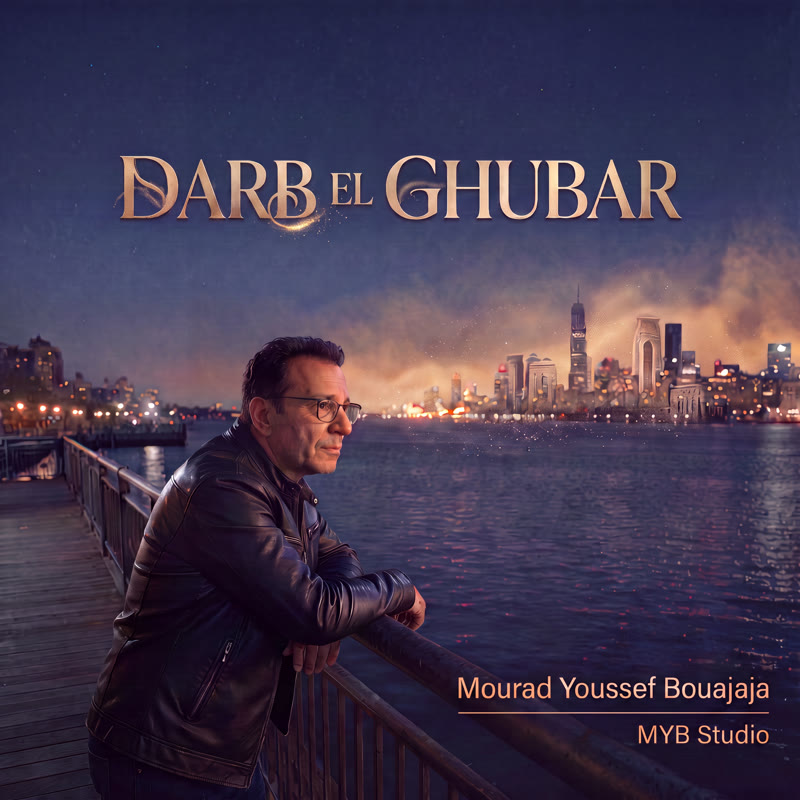
Darb El Ghubar
درب الغبارThe first anthem. The dust road — gasba over sliding 808s, and no surrender: ما نسلموش.
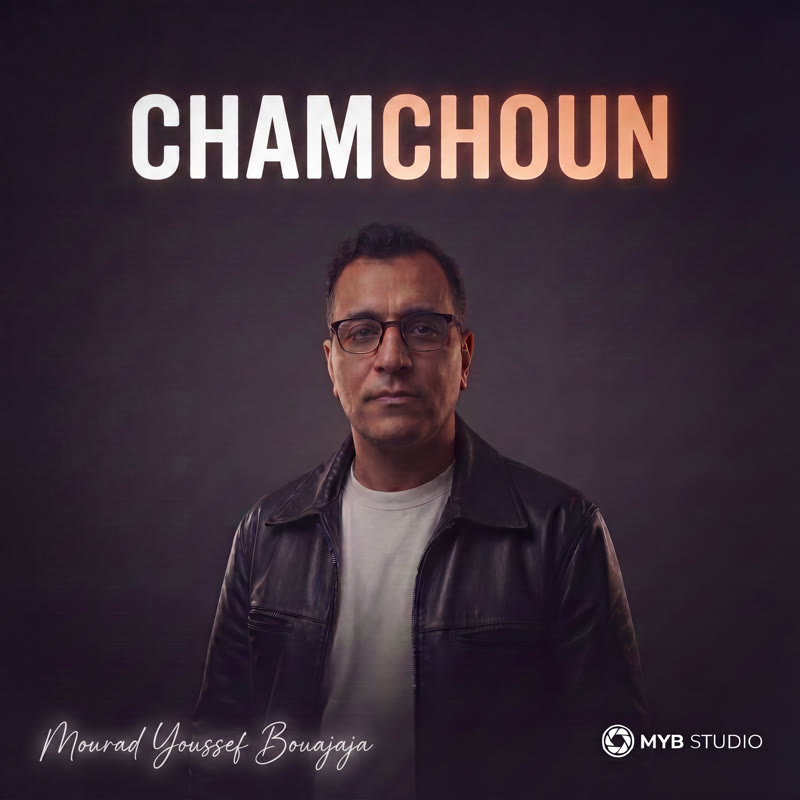
Chamchoun
شمشونThe satire. Friendly advice for a vain man: stop, look, and break the mirror.
A third record is on the bench, unfinished — because in this genre, a song ships when it's right, not when it's due.